How and When to Apply Sulfur to Your Lawn

10.3K
823
189
2025-11-15
How and When to Apply Sulfur to Your Lawn

Fertilizing your lawn is a little like making a cake—ingredients and accurate measurements are critical to success. Make a cake with salt instead of sugar and the result is inedible. Apply the wrong fertilizer to your lawn and you run the risk of long-term damage to both the turf and the environment. Fertilizer containing sulfur can help or hinder your lawn depending on the make up of your soil. Below, get all the details on sulfur, how it might benefit your lawn, and how to apply it, if needed.

Why Your Lawn Needs Sulfur

Turf grass thrives when adequate amounts of nitrogen, potassium, phosphorus, and several macronutrients, such as sulfur, and micronutrients are present. Each nutrient has specific functions in a plant. For example, sulfur is required for chlorophyll production in all plants. When a plant’s chlorophyll production is hindered, plants take on a yellow color.

The characteristics of the native soil, along with the climate, determine which nutrients are readily available to plants. For example, sandy soil in the western United States tends to have lower sulfur levels than sulfur-rich loam soil across the Midwest and Eastern United States. In fact, it's exceedingly rare to have low sulfur levels anywhere except the western United States. 

How to Tell If Your Lawn Needs Sulfur

If you suspect a sulfur deficiency, take a soil test before applying sulfur-rich fertilizer. It’s important to note that sulfur is notoriously hard to measure; it moves through the soil quickly. While soil tests are poor at gauging sulfur availability, a test can identify other potential causes of weak growth. A lawn struggling with low sulfur availably will appear thin and yellow-green. A lawn lacking nitrogen looks very similar. A soil test can help sort out which nutrients are deficient.

In many areas, soil test kits are available from a local Cooperative Extension Service for a small fee. There are several commercial soil testing services too. When choosing a soil test kit, be sure the lab will test for sulfur levels.

While the test kits vary slightly, the process generally includes gathering a representative sample of the soil and then sending it to a lab for testing. The lab will then send you a summary of nutrient levels and the pH reading of the soil. Most soil summaries include suggested amendments for nutrient deficiencies and soil tips for growing specific plants, such as turf grass.

Types of Sulfur for Your Lawn

If a soil test identifies a sulfur deficiency, there are several sulfur-rich fertilizers. In fact, most complete lawn fertilizers will meet a lawn’s sulfur needs along with providing nitrogen, phosphorus, potassium, and many other nutrients. When shopping for a synthetic fertilizer, also called inorganic or chemical fertilizers, look for a product that has the word “sulfate” in the ingredient list. Common examples include potassium sulfate, ammonium sulfate, and magnesium sulfate

When to Apply Sulfur

The best time to apply a complete lawn fertilizer is when grass is actively growing. Fertilize cool-season grasses, such as Kentucky bluegrass and fescue, in the fall after the heat of summer is passed and before freezing temperatures become the norm. Cool-season turf can be fertilized in spring as well, but fall applications are most effective. Warm-season grasses, such as Bermudagrass, zoysiagrass, and centipedegrass, all thrive when fertilized shortly after they green-up in spring. Aim to apply fertilizer prior to the intense heat of summer.

How to Apply Lawn Sulfur

Complete lawn fertilizers are available as easy-to-spread granules. Spread them using a walk-behind fertilizer spreader. Calibrate the spreader according to fertilizer package directions to ensure the product is applied at the proper rate. Spread fertilizer on a calm day and maintain a steady walking pace for even application.

Follow Label Directions

Using lawn fertilizers can result in lush, thick carpets of turf. These products also have the potential to harm the lawn and surrounding environment. Follow label directions carefully. Never exceed application rates or frequency. More is never better when it comes to fertilizer.

Natural Sources of Sulfur

Sulfur is naturally supplied to soil through the breakdown of organic matter. Grass clippings left on the turf will breakdown in time, releasing sulfur into the soil. While excessive amounts grass clippings can build up to create a detrimental layer of thatch above the soil line, finely chopped clippings can be beneficial.

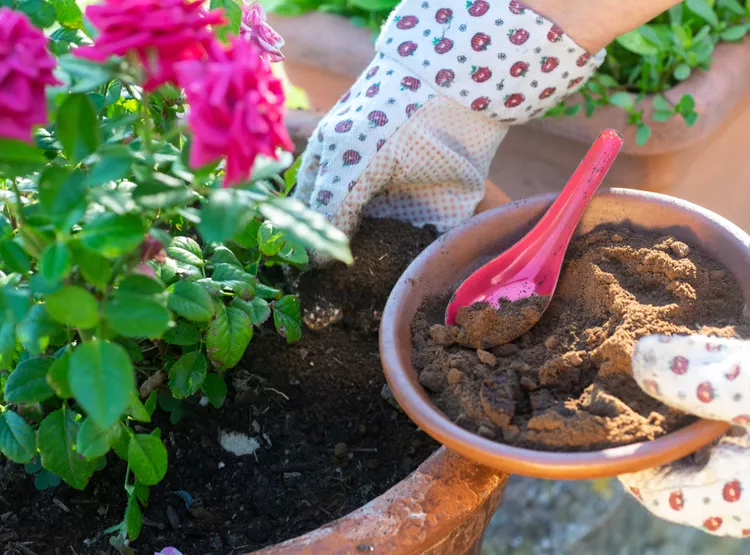
Another natural source of sulfur is compost. Not only will compost supply sulfur but it will also improve soil structure. Spread a ¼-inch layer of compost over the lawn. A thin layer is essential—a thick layer can smother the turf. Incorporate the compost into the soil by going over the area several times with a soil aerator. Rent an aerator at your local home improvement store. 

Frequently Asked Questions

  • How often should I apply sulfur to my lawn?

    Apply sulfur only if a soil test indicates the soil is deficient in sulfur. Most soil has ample sulfur to grow a great lawn.

  • How much sulfur does it take to lower the pH of soil?

    It would take many, many years of regular sulfur application to reduce pH of the soil even a small amount. Sulfur is not effective at lowering soil pH. You are better off applying a well-balanced lawn fertilizer.

  • How fast will sulfur turn my lawn green?

    A sulfate fertilizer applied to a sulfur deficient lawn will green up the turf in one to three days. Whenever you use fertilizer, follow product label directions exactly for best results.

Sources
Better Homes & Gardens is committed to using high-quality, reputable sources—including peer-reviewed studies—to support the facts in our articles. Read about our editorial policies and standards to learn more about how we fact check our content for accuracy.
  1. https://turf.purdue.edu/sulfur-is-not-effective-for-lowering-ph-of-turfed-soils/

Related Article

Gorgeous Spring Container Gardens
19.8K
1.4K
527

Gorgeous Spring Container Gardens

Celebrate the gardening season with container garden ideas. Buckets, baskets, and spring planting boxes all help create space for a new transition.
How to Make a Hypertufa Trough for a Faux Stone Container Garden
3.6K
291
55

How to Make a Hypertufa Trough for a Faux Stone Container Garden

Make these unique containers yourself. Over time, the artificial stone beds will age and gather moss for added charm.
How to Grow Strawberries in Pots
10.8K
108
38

How to Grow Strawberries in Pots

From the best planters to the best plants, this guide includes everything you need to know to grow strawberries in pots.
How to Plant and Grow a Grapefruit Tree
38.4K
768
360

How to Plant and Grow a Grapefruit Tree

Grow your own grapefruit tree with these essential tips, including planting, pruning, harvesting, and best varieties.
How to Prune a Cherry Tree
42.3K
3.4K
1.1K

How to Prune a Cherry Tree

Keep your cherry tree healthy and producing plenty of fruit with these trimming tips, including the best time to prune cherry trees and essential tools.
How to Regrow Green Onions from Scraps for a (Nearly) Never-Ending Supply
44K
4.4K
968

How to Regrow Green Onions from Scraps for a (Nearly) Never-Ending Supply

This step-by-step guide explains how to grow green onions in water or soil from the pieces left after your meal prep.
How to Plant and Grow Pink Lemonade Blueberry
22.8K
912
164

How to Plant and Grow Pink Lemonade Blueberry

Learn to grow unique-tasting Pink Lemonade blueberries, which contain healthy antioxidants.
How to Grow Sweet Potatoes in Containers for a Tasty Harvest
15.3K
919
441

How to Grow Sweet Potatoes in Containers for a Tasty Harvest

This guide covers how to grow sweet potatoes in containers, including must-know tips on choosing containers, planting, care, and harvesting.
9 Best Companion Plants for Squash
48.2K
482
110

9 Best Companion Plants for Squash

Use these top squash companion plants to prevent squash bugs and naturally increase your squash harvest.
How to Plant a Pineapple to Grow Delicious Fruit
4.8K
47
7

How to Plant a Pineapple to Grow Delicious Fruit

Find out how to plant a pineapple, including how to care for it, how long it takes to grow, common pineapple plant problems, and more.
8 Tips for Growing Blueberries in Containers
16.3K
1.5K
307

8 Tips for Growing Blueberries in Containers

This guide to growing blueberries in containers includes recommendations on the best pots and soil to use, plus how to care for blueberries in pots.
25 Raised Garden Bed Ideas for Growing Veggies and Flowers
34.2K
2.1K
964

25 Raised Garden Bed Ideas for Growing Veggies and Flowers

Use these raised garden bed ideas to create the perfect planting space without digging up your yard.
Are Coffee Grounds Good for Plants? An Expert Weighs In
47.6K
475
228

Are Coffee Grounds Good for Plants? An Expert Weighs In

Cut through the bad advice and learn how to use coffee grounds properly to help your plants thrive.
9 Natural Solutions for How to Get Rid of Snakes in Your Yard
49.8K
995
497

9 Natural Solutions for How to Get Rid of Snakes in Your Yard

Snakes in your yard can be a good thing, but if you need to get rid of snakes, these simple tips will help encourage the reptiles to go elsewhere.
If Your Knockout Roses Are Not Blooming, Here's Help
29.2K
1.2K
338

If Your Knockout Roses Are Not Blooming, Here's Help

Your Knock Out roses are not producing blooms, and you don't know why? We have the answers and some solutions to get them blooming again in no time.
How Often to Water Roses and the Best Ways to Do It
7.5K
525
115

How Often to Water Roses and the Best Ways to Do It

Learn how often to water roses and the best ways to do it. Water is essential to growing flowers, but you must watch out for overwatering as well.
25 of the Best Tulip Bulbs to Plant in Fall for a Spring Garden
49.2K
984
373

25 of the Best Tulip Bulbs to Plant in Fall for a Spring Garden

Fill your garden with a long-lasting tulip display by choosing from the best tulip bulbs, including 'Negrita', 'Pink Impression,' 'Angelique', and 'Lilac Wonder'.
How to Grow a Chia Plant
48.9K
2K
801

How to Grow a Chia Plant

More than a gag gift or health food trend, chia is worth adding to your garden. This guide covers how to grow a chia plant outdoors.
What Is a Permaculture Garden? Plus 12 Tips for Planting Your Own
4.5K
317
136

What Is a Permaculture Garden? Plus 12 Tips for Planting Your Own

With these 12 tips on how to grow a permaculture garden, you can streamline garden chores, improve the soil, and grow healthier plants.
7 Genius Garden Design Ideas from an Iconic American Landscape
47.6K
4.8K
1.7K

7 Genius Garden Design Ideas from an Iconic American Landscape

Artfully blend formal and wild with these garden design ideas from Hollister House in Connecticut.