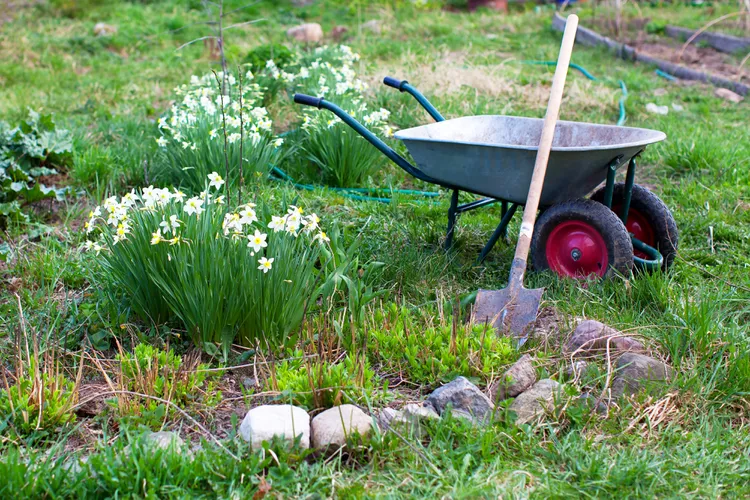
As the weather warms and the first green shoots appear after the winter, many gardeners are eager to start tidying up their yard. Yet, starting yard cleanup too soon can do more harm than good. That's because our yards are important habitats for a wide range of beneficial insects that play a key role in maintaining the health of our garden plants.
Bees, butterflies, and moths pollinate our flowers, leading to increased production of fruits, vegetables, and seeds. Lady beetles, fireflies, and wasps prey upon and control common garden pests, such as aphids and grubs. With the help of beneficial insects like these, gardeners can reduce their use of chemical pesticides. This not only saves money, but also protects the health of people, pets, and the environment.
With this in mind, here's what experts recommend when it comes to timing your yard cleanup in spring.
- Elizabeth Braatz is an insect ecologist at the Wisconsin Department of Natural Resources.
- Clay Bolt is the manager of pollinator conservation for World Wildlife Fund-US.
Why to Delay Yard Cleanup
While dried leaves and stems may seem unsightly, they’re essential habitat for many beneficial insects. For example, bumble bee queens, firefly larvae, and some species of lady beetles and wasps overwinter in leaf litter. Luna moth caterpillars spin cocoons from leaves and spend the winter among fallen leaves. Swallowtail butterflies overwinter in chrysalids that are often attached to dried plant stems. Additionally, many native bees, some as tiny as a grain of rice, hibernate within plant stems. These insects only emerge from their winter naps when temperatures warm up to a certain point.
“The goal of delaying [spring cleanup] is to help the life cycles of all these critters,” says Elizabeth Braatz, an insect ecologist at the Wisconsin Department of Natural Resources.
People often start yard cleanup too early in spring, says Clay Bolt, Manager of Pollinator Conservation for World Wildlife Fund-US. He points out that despite warm, sunny days, low nighttime temperatures can be dangerous for emerging insects, causing many to stay dormant for longer than you’d think. By cleaning up your spring garden too early, you may be discarding these vital insects along with the plant debris.
“As part of tidying, we may want to remove all that debris away but basically you’re carting away your native pollinators in the process,” explains Bolt.
When to Start Spring Yard Cleanup
It’s tricky to pinpoint the exact date to begin yard and garden cleanup in spring because insects emerge from hibernation at different times. Those times also vary depending on the climate zone you live in.
“What I like to say to people is, if you walk outside at night and you're comfortable, then it’s probably okay to clean up,” says Bolt. The Xerces Society for Invertebrate Conservation also suggests waiting until it’s time to plant tomatoes, apple and pear trees have finished blooming, or your grass has grown enough to justify mowing.
Clay Bolt
If you walk outside at night and you're comfortable, then it’s probably okay to clean up.
Leave Some Leaves and Stems
Since it’s difficult to pinpoint when beneficial insects will wake from hibernation, experts recommend leaving at least some leaves and stems in your garden during yard cleanup. This prevents unintentional disposal of sleeping insects and ensures they have habitat throughout the summer.
“We often think about feeding the pollinators,” says Braatz, but “they also need shelter as well as food.” This may be especially important for native bees, which are facing unprecedented declines. “There is this idea that all bees nest in colonies, but over 90% of native bees in the world are solitary and mostly nest in the ground, oftentimes in bare dirt or beneath mulch, leaves, or rotting logs,” Bolt says.
The more leaves you can leave in your garden beds, the better, says Braatz. If you have too many leaves, redistribute some to other areas of your yard. This approach offers a significant perk: free mulch! Leaves not only suppress weeds and retain soil moisture, but are also more environmentally friendly than bark mulch or landscape fabric. “Leaf litter is just a really, really wonderful resource,” says Braatz.
When it comes to stems, “don’t scalp everything down to the ground,” says Bolt. Either leave stems intact in your garden beds or trim them down to a height of 8-24 inches. Then, scatter any stem trimmings around your garden or gather them into bundles and place them in a corner of your yard or under large bushes. Dried stems provide nesting sites for native bees, so you’re essentially creating natural bee hotels. Also, don’t worry about old stems looking unattractive; as your plants grow, they will naturally conceal them.
Let Your Neighbors Know What You’re Doing
Messy gardens are often the best places for insects, says Bolt, but they can create a misconception of neglect. To avoid this, experts recommend installing signs explaining that you’re creating pollinator habitat. Additionally, discuss your efforts with your neighbors, homeowner’s association, or local government as they may also be interested in pollinator conservation and could provide unexpected support.
If you’re still worried about your neighbors, Braatz suggests a yard that is “neat in the front and a party in the back.” In other words, maintain a more traditional front yard but experiment with different eco-friendly practices in your backyard, which may be less visible to others.
Overall, our yards provide one of the greatest opportunities to help beneficial insects, many of which are in decline, says Bolt. While people sometimes fear insects, most are harmless to humans and generally try to avoid us. In fact, most bees are actually too small to sting people. So, don’t be afraid to attract insects to your yard because, as Bolt says, “having insects in your garden is really a good thing.”