How to Choose the Best Plant Containers

22.9K
917
119
2025-10-31
How to Choose the Best Plant Containers

As a gardener, you have a wide range of choices when it comes to selecting a container for your potted plants. Good drainage and the right size for your plant's root system are the two most important considerations, followed by the container material itself. When choosing plant containers, pay attention to the weight of the planter if you will need to move it. Of course, don't forget to pay attention to color and shape—though they're more of an issue for gardeners than plants.

Types of Containers

Some common types of pots include the following:

Terra-Cotta

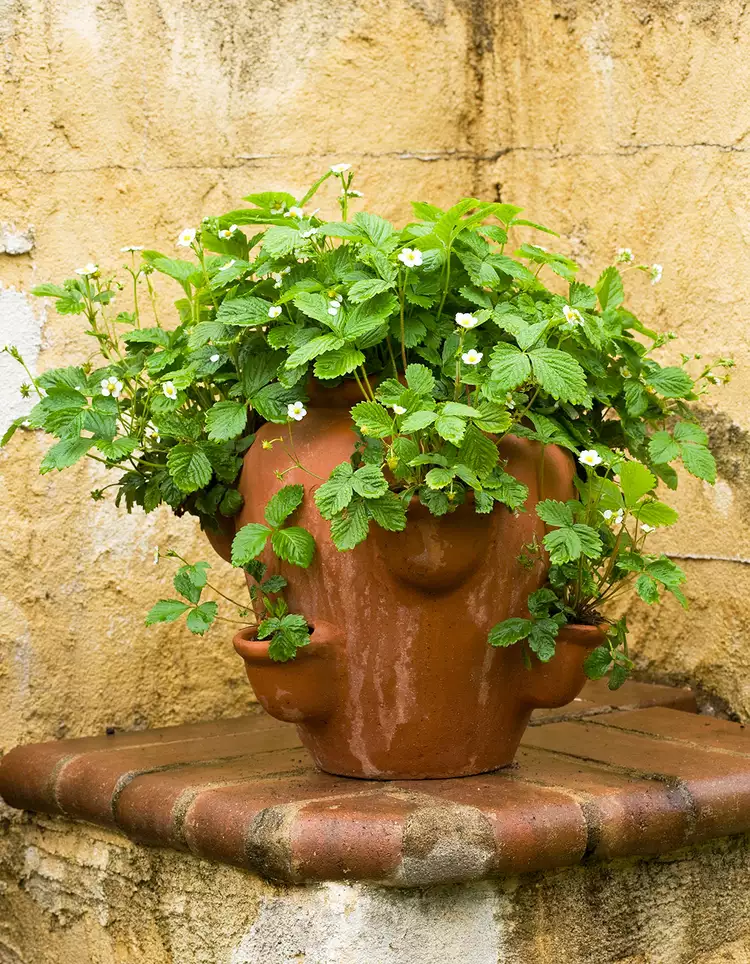
Versatile and inexpensive terra-cotta containers are also called clay pots. You can find them plain or decorated in colorful glazes. The only downside to using terra-cotta is that it's somewhat fragile. It will chip and crack if handled too roughly and can be damaged by freezing temperatures (empty and store them indoors over winter in colder regions).

Concrete

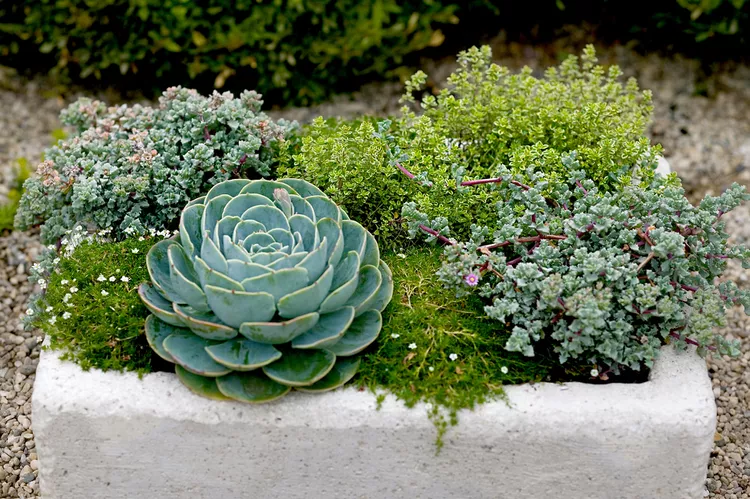
Concrete containers can take any weather. Be careful where you place concrete planters since they're extremely heavy and tough to move, especially once filled with soil and plants.

Wood

Pick a durable wood, like cedar or nontoxic treated pine. To help them last longer, brush all the surfaces with a clear waterproofing sealer labeled for use on outdoor wood.

Metal

Galvanized tubs and buckets are great options for container gardens. However, beware when using a metal container because they will heat up quickly in the sun and cook your plants. To protect the plants, line the container with landscape fabric and place it in a shady spot.

Plastic, Fiberglass, or Resin

These types of containers can be made to look like just about any other kind (but at a lower price and lighter weight). They aren't as high quality and won't last forever, but they can provide a specific look.

Repurposed Containers

Upcycle old baskets, tin buckets, birdbaths, and watering containers to house your favorite plants. The thrifted look is stylish and rustic.

Ensure Container Has Drainage

Drainage is essential to virtually every container plant. In fact, more container plants die from overwatering than underwatering. When water fills the air pockets needed for root development, the plant quickly dies. So unless you're growing a containerized water garden, ensure the container you use has a drainage hole. Some come with removable plugs, while others indicate where a hole must be drilled on the bottom of the container.

You may find beautiful pots—often ceramic or plastic—that lack a drainage hole. They're sometimes referred to as cachepots. You can still use them, just not to plant directly in. Instead, place your container plant in a slightly smaller container that has a drainage hole. Then, add a small inverted saucer or another item inside the bottom of the cachepot. This elevates the plant, allowing it to sit above excess water that collects in the bottom of the cachepot. Slip the potted plant inside the non-draining container like an arm inside a sleeve. Check once in a while that water doesn't build up above the level of the saucer or your plant may rot.

Consider Your Container's Size

Like Goldilocks with her porridge, you want a container-to-plant ratio that is just right. A too-small container cramps root development, while a too-large container looks awkward and holds so much soil that moisture retention may be a problem for a tiny root ball.

In general, use a container that allows plenty of room to accommodate the root system plus room for some growth. It should also allow an inch of room ("headspace") above the soil level for watering.

Visually, the container should be about half the height of your plant (or a third of the total height of the plant plus the container). Using this design principle, a 9-inch pot looks fine with an 18-inch plant, because 18 plus 9 equals 27, and 9 is one-third of 27. This rule applies whether your container holds one plant or several.

Wide, short containers hold water throughout the soil better than narrow, deep containers, which quickly drain water away from the top half. However, both containers have their drawbacks: Wide, short plant containers may cramp deep-rooted plants and stunt root growth, while tall, narrow containers are more likely to tip in the wind.

How to Identify Your Container's Size

A further complication with container gardens is that there really isn't a standardized container size. Stores will typically label their containers in inches, while nurseries will generally label the pots in gallons. If the container's label is missing, determine the size of your pot in inches by measuring the diameter across the top of the pot. In general, a quart size pot will be about 5-6 inches. A one-gallon pot is about 7-8 inches across. A 5-gallon pot is about 12 inches across.

Related Article

Gorgeous Spring Container Gardens
19.8K
1.4K
527

Gorgeous Spring Container Gardens

Celebrate the gardening season with container garden ideas. Buckets, baskets, and spring planting boxes all help create space for a new transition.
How to Make a Hypertufa Trough for a Faux Stone Container Garden
3.6K
291
55

How to Make a Hypertufa Trough for a Faux Stone Container Garden

Make these unique containers yourself. Over time, the artificial stone beds will age and gather moss for added charm.
How to Grow Strawberries in Pots
10.8K
108
38

How to Grow Strawberries in Pots

From the best planters to the best plants, this guide includes everything you need to know to grow strawberries in pots.
How to Plant and Grow a Grapefruit Tree
38.4K
768
360

How to Plant and Grow a Grapefruit Tree

Grow your own grapefruit tree with these essential tips, including planting, pruning, harvesting, and best varieties.
How to Prune a Cherry Tree
42.3K
3.4K
1.1K

How to Prune a Cherry Tree

Keep your cherry tree healthy and producing plenty of fruit with these trimming tips, including the best time to prune cherry trees and essential tools.
How to Regrow Green Onions from Scraps for a (Nearly) Never-Ending Supply
44K
4.4K
968

How to Regrow Green Onions from Scraps for a (Nearly) Never-Ending Supply

This step-by-step guide explains how to grow green onions in water or soil from the pieces left after your meal prep.
How to Plant and Grow Pink Lemonade Blueberry
22.8K
912
164

How to Plant and Grow Pink Lemonade Blueberry

Learn to grow unique-tasting Pink Lemonade blueberries, which contain healthy antioxidants.
How to Grow Sweet Potatoes in Containers for a Tasty Harvest
15.3K
919
441

How to Grow Sweet Potatoes in Containers for a Tasty Harvest

This guide covers how to grow sweet potatoes in containers, including must-know tips on choosing containers, planting, care, and harvesting.
9 Best Companion Plants for Squash
48.2K
482
110

9 Best Companion Plants for Squash

Use these top squash companion plants to prevent squash bugs and naturally increase your squash harvest.
How to Plant a Pineapple to Grow Delicious Fruit
4.8K
47
7

How to Plant a Pineapple to Grow Delicious Fruit

Find out how to plant a pineapple, including how to care for it, how long it takes to grow, common pineapple plant problems, and more.
8 Tips for Growing Blueberries in Containers
16.3K
1.5K
307

8 Tips for Growing Blueberries in Containers

This guide to growing blueberries in containers includes recommendations on the best pots and soil to use, plus how to care for blueberries in pots.
25 Raised Garden Bed Ideas for Growing Veggies and Flowers
34.2K
2.1K
964

25 Raised Garden Bed Ideas for Growing Veggies and Flowers

Use these raised garden bed ideas to create the perfect planting space without digging up your yard.
Are Coffee Grounds Good for Plants? An Expert Weighs In
47.6K
475
228

Are Coffee Grounds Good for Plants? An Expert Weighs In

Cut through the bad advice and learn how to use coffee grounds properly to help your plants thrive.
9 Natural Solutions for How to Get Rid of Snakes in Your Yard
49.8K
995
497

9 Natural Solutions for How to Get Rid of Snakes in Your Yard

Snakes in your yard can be a good thing, but if you need to get rid of snakes, these simple tips will help encourage the reptiles to go elsewhere.
If Your Knockout Roses Are Not Blooming, Here's Help
29.2K
1.2K
338

If Your Knockout Roses Are Not Blooming, Here's Help

Your Knock Out roses are not producing blooms, and you don't know why? We have the answers and some solutions to get them blooming again in no time.
How Often to Water Roses and the Best Ways to Do It
7.5K
525
115

How Often to Water Roses and the Best Ways to Do It

Learn how often to water roses and the best ways to do it. Water is essential to growing flowers, but you must watch out for overwatering as well.
25 of the Best Tulip Bulbs to Plant in Fall for a Spring Garden
49.2K
984
373

25 of the Best Tulip Bulbs to Plant in Fall for a Spring Garden

Fill your garden with a long-lasting tulip display by choosing from the best tulip bulbs, including 'Negrita', 'Pink Impression,' 'Angelique', and 'Lilac Wonder'.
How to Grow a Chia Plant
48.9K
2K
801

How to Grow a Chia Plant

More than a gag gift or health food trend, chia is worth adding to your garden. This guide covers how to grow a chia plant outdoors.
What Is a Permaculture Garden? Plus 12 Tips for Planting Your Own
4.5K
317
136

What Is a Permaculture Garden? Plus 12 Tips for Planting Your Own

With these 12 tips on how to grow a permaculture garden, you can streamline garden chores, improve the soil, and grow healthier plants.
7 Genius Garden Design Ideas from an Iconic American Landscape
47.6K
4.8K
1.7K

7 Genius Garden Design Ideas from an Iconic American Landscape

Artfully blend formal and wild with these garden design ideas from Hollister House in Connecticut.