12 Tips for Growing Lettuce in Containers from Seed to Salad

39.8K
3.2K
1.4K
2025-11-07
12 Tips for Growing Lettuce in Containers from Seed to Salad

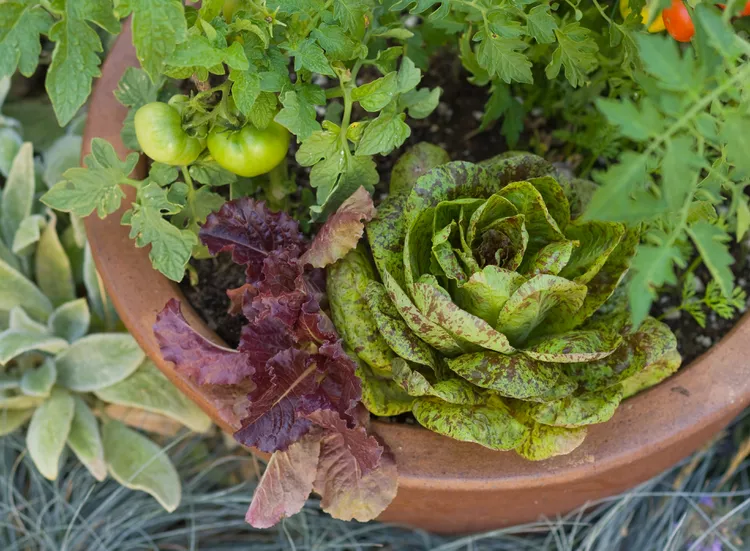
Almost any type of lettuce can grow in containers, which is convenient for urban or small-space gardeners who don’t have room for in-ground gardens. Lettuces are perfect for containers placed on decks, patios, balconies, and porches. Growing in containers also gives you control over the soil, light, and water conditions. Whether you’re a newbie gardener or a pro with plenty of experience growing veggies, these expert tips will help you grow lettuce in containers.

1. Match the Lettuce Type to the Container

Ideally, you want a wide, shallow container to grow lettuce. Leaf lettuce can grow in smaller containers than head lettuce. For leaf lettuce, you need a container at least 12 inches wide and 6 inches deep. To grow head lettuce, you need a container that’s 16 inches wide and 12 to 16 inches deep.

Lettuce has shallow roots so you don’t need a deep container to grow it. However, a deeper container helps the roots hold moisture longer, so you don’t have to water as frequently.

2. For a Faster Harvest, Grow Leaf Lettuce

You can clip off leaves of leaf lettuce as you need them, but you have to wait for a head of lettuce to grow before you can make it into a salad. Leaf lettuce is ready to eat at any size, and you can pick baby leaves for tender salads.

3. Don’t Plant Lettuce Seeds too Deep

Lettuce seeds are tiny and delicate. Plant them just ¼ to ½ inch deep, or they will struggle to reach the surface and grow. The best way to plant lettuce seeds is to sprinkle them over the top of the soil in the container and cover them with a fine layer of potting soil.

Start with lettuce transplants for a speedier harvest. Because lettuce grows fast, you can begin snipping leaves to eat as soon as three weeks after planting.

4. Choose the Right Soil

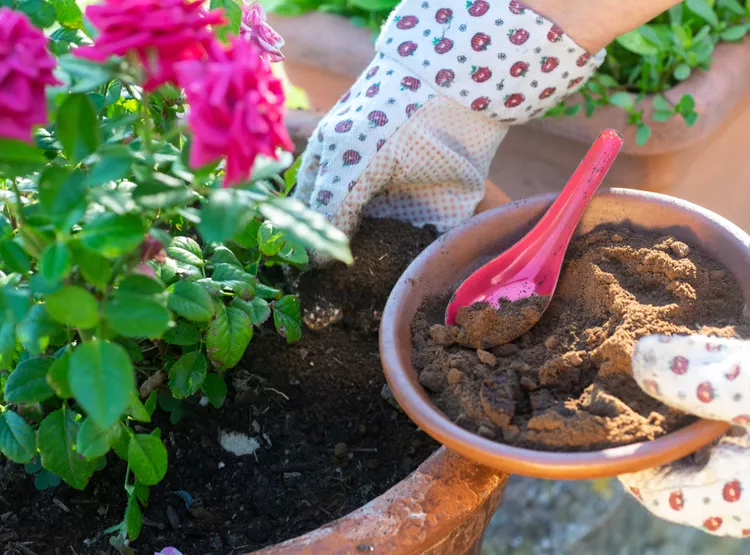
Lettuce thrives in nitrogen-rich, well-draining soil. Use a pre-mixed potting soil designed specifically for container gardening or mix up your own potting mix. Compost is the magic ingredient for growing lettuce in containers. It adds nutrients, encourages lettuce to produce more foliage, and discourages pests and diseases. Mix in a scoop or two of compost before planting your lettuce.

5. Plant Lettuce When Temperatures Are Mild

Lettuce is a cool-season crop that grows best in the spring or fall. A hard freeze kills lettuce, and hot weather (over 75°F) causes it to bolt or go to seed. Once lettuce bolts, it stops putting energy into growing leaves—the part of the plant we typically eat—and instead makes flowers and seeds.

6. Water Regularly

Lettuce needs consistent moisture to have tender, sweet leaves. Too little water can result in tough, bitter lettuce. Water whenever the top inch of soil dries out.

7. Fertilize Every Other Week

Feed your lettuce with a water-soluble fertilizer every two weeks. Fertilizer provides the plant with the nitrogen it needs to keep producing tender leaves. However, there can be too much of a good thing, so always follow label directions for your fertilizer of choice or you might end up burning your plants.

8. Harvest Leaf Lettuce Every Few Days

Frequently harvesting lettuce encourages the plant to keep growing new leaves. Use sharp scissors to cut the largest, oldest leaves from the plants. Pick lettuce leaves in the morning when they have the highest water content.

9. Get the Light Right

Lettuce needs at least five to six hours of sun a day, but unlike other veggies, it can tolerate some shade. It’s a delicate, leafy crop, so the afternoon sun can wilt it. The beauty of container gardening is that you can move your little lettuce garden to a spot where it gets the perfect amount of light.

10. Add Companion Plants

Companion plants help lettuce grow better by repelling damaging insects. Plant chives, cilantro, and garlic in the same container as lettuce, and they act as a barrier plant against aphids. Mint repels slugs. You also benefit from fresh herbs to go along with your fresh lettuce.

11. Look Out for Pests

Aphids and slugs are lettuce’s top enemies. Check your plants at least once a week for these lettuce-eating pests or signs they’ve been chewing on your crop. If you spot them, spray the plants with neem oil to get rid of aphids, and pluck slugs off your plants by hand, then drop them in a bucket of soapy water.

12. Keep Planting New Lettuce

For a continuous supply of fresh lettuce throughout the growing season, plant new seeds or new transplants every three to four weeks to replace harvested and older plants. Do this by planting new containers or pulling out tired, spent lettuce plants and replacing them with new ones.

Related Article

Gorgeous Spring Container Gardens
19.8K
1.4K
527

Gorgeous Spring Container Gardens

Celebrate the gardening season with container garden ideas. Buckets, baskets, and spring planting boxes all help create space for a new transition.
How to Make a Hypertufa Trough for a Faux Stone Container Garden
3.6K
291
55

How to Make a Hypertufa Trough for a Faux Stone Container Garden

Make these unique containers yourself. Over time, the artificial stone beds will age and gather moss for added charm.
How to Grow Strawberries in Pots
10.8K
108
38

How to Grow Strawberries in Pots

From the best planters to the best plants, this guide includes everything you need to know to grow strawberries in pots.
How to Plant and Grow a Grapefruit Tree
38.4K
768
360

How to Plant and Grow a Grapefruit Tree

Grow your own grapefruit tree with these essential tips, including planting, pruning, harvesting, and best varieties.
How to Prune a Cherry Tree
42.3K
3.4K
1.1K

How to Prune a Cherry Tree

Keep your cherry tree healthy and producing plenty of fruit with these trimming tips, including the best time to prune cherry trees and essential tools.
How to Regrow Green Onions from Scraps for a (Nearly) Never-Ending Supply
44K
4.4K
968

How to Regrow Green Onions from Scraps for a (Nearly) Never-Ending Supply

This step-by-step guide explains how to grow green onions in water or soil from the pieces left after your meal prep.
How to Plant and Grow Pink Lemonade Blueberry
22.8K
912
164

How to Plant and Grow Pink Lemonade Blueberry

Learn to grow unique-tasting Pink Lemonade blueberries, which contain healthy antioxidants.
How to Grow Sweet Potatoes in Containers for a Tasty Harvest
15.3K
919
441

How to Grow Sweet Potatoes in Containers for a Tasty Harvest

This guide covers how to grow sweet potatoes in containers, including must-know tips on choosing containers, planting, care, and harvesting.
9 Best Companion Plants for Squash
48.2K
482
110

9 Best Companion Plants for Squash

Use these top squash companion plants to prevent squash bugs and naturally increase your squash harvest.
How to Plant a Pineapple to Grow Delicious Fruit
4.8K
47
7

How to Plant a Pineapple to Grow Delicious Fruit

Find out how to plant a pineapple, including how to care for it, how long it takes to grow, common pineapple plant problems, and more.
8 Tips for Growing Blueberries in Containers
16.3K
1.5K
307

8 Tips for Growing Blueberries in Containers

This guide to growing blueberries in containers includes recommendations on the best pots and soil to use, plus how to care for blueberries in pots.
25 Raised Garden Bed Ideas for Growing Veggies and Flowers
34.2K
2.1K
964

25 Raised Garden Bed Ideas for Growing Veggies and Flowers

Use these raised garden bed ideas to create the perfect planting space without digging up your yard.
Are Coffee Grounds Good for Plants? An Expert Weighs In
47.6K
475
228

Are Coffee Grounds Good for Plants? An Expert Weighs In

Cut through the bad advice and learn how to use coffee grounds properly to help your plants thrive.
9 Natural Solutions for How to Get Rid of Snakes in Your Yard
49.8K
995
497

9 Natural Solutions for How to Get Rid of Snakes in Your Yard

Snakes in your yard can be a good thing, but if you need to get rid of snakes, these simple tips will help encourage the reptiles to go elsewhere.
If Your Knockout Roses Are Not Blooming, Here's Help
29.2K
1.2K
338

If Your Knockout Roses Are Not Blooming, Here's Help

Your Knock Out roses are not producing blooms, and you don't know why? We have the answers and some solutions to get them blooming again in no time.
How Often to Water Roses and the Best Ways to Do It
7.5K
525
115

How Often to Water Roses and the Best Ways to Do It

Learn how often to water roses and the best ways to do it. Water is essential to growing flowers, but you must watch out for overwatering as well.
25 of the Best Tulip Bulbs to Plant in Fall for a Spring Garden
49.2K
984
373

25 of the Best Tulip Bulbs to Plant in Fall for a Spring Garden

Fill your garden with a long-lasting tulip display by choosing from the best tulip bulbs, including 'Negrita', 'Pink Impression,' 'Angelique', and 'Lilac Wonder'.
How to Grow a Chia Plant
48.9K
2K
801

How to Grow a Chia Plant

More than a gag gift or health food trend, chia is worth adding to your garden. This guide covers how to grow a chia plant outdoors.
What Is a Permaculture Garden? Plus 12 Tips for Planting Your Own
4.5K
317
136

What Is a Permaculture Garden? Plus 12 Tips for Planting Your Own

With these 12 tips on how to grow a permaculture garden, you can streamline garden chores, improve the soil, and grow healthier plants.
7 Genius Garden Design Ideas from an Iconic American Landscape
47.6K
4.8K
1.7K

7 Genius Garden Design Ideas from an Iconic American Landscape

Artfully blend formal and wild with these garden design ideas from Hollister House in Connecticut.