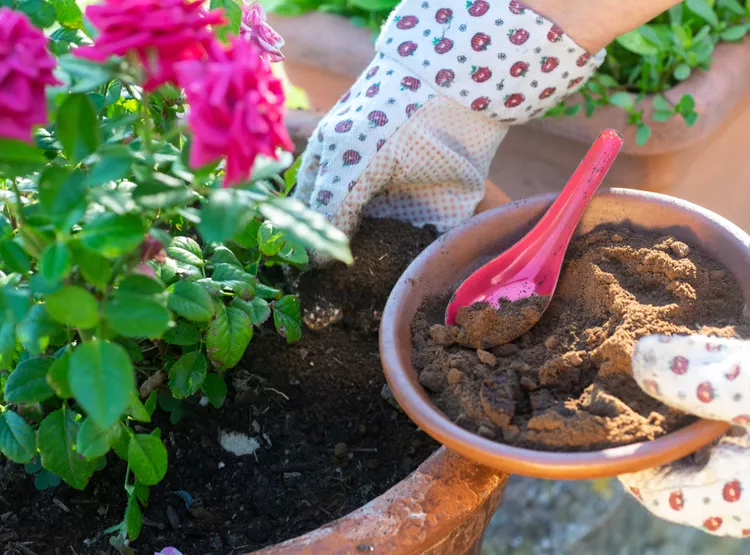

Deadheading is the process of clipping off old, faded flowers to refresh the look of perennials and annuals and encourage these plants to rebloom. While some garden favorites like geraniums, dianthus, cosmos, and marigolds benefit from deadheading, plenty of popular flowers don’t need to be deadheaded.
Some plants naturally drop old flowers when they fade, while others self-sow and produce new, free plants for your garden if you don’t deadhead old blooms. Find out which plants don’t need deadheading and make your flower garden easier to maintain.
Begonias
Pinching back spent begonia blooms can freshen up the look of your plants and make them grow bushier, but it’s not really necessary. Most begonias (Begonia spp.) are self-cleaning, meaning they naturally drop their petals after flowering. You don’t need to deadhead these plants for them to keep on producing flowers.
Growing Conditions: Part sun and well-draining soil
Size: 6 to 24 inches tall and wide
Zones: 9–11
Annual Lobelia
If you get too busy in your garden this summer, you don’t need to worry about deadheading annual lobelias (Lobelia erinus). While perennial lobelias such as cardinal flower can benefit from deadheading, annual lobelias are generally self-cleaning plants that drop their petals after flowering without any help from gardeners. These plants can be lightly trimmed back in summer if they’re looking bedraggled, but annual lobelias usually do just fine on their own.
Growing Conditions: Full sun to part shade and well-draining soil
Size: 6 to 12 inches tall and wide
Zones: annual
Red Poppies
Deadheading red poppies (Papaver rhoea), also called Flanders or corn poppies, is an optional step that some gardeners may want to skip. Flowers left on the plant will mature into seed pods filled with tiny seeds that fall to the ground in autumn and sprout into new poppies in spring. Letting red poppies self-sow is an easy way to get more plants for your garden, but you can also deadhead them to limit their spread and extend the blooming season.
Growing Conditions: Full sun and average well-draining soil
Size: 2 to 3 feet tall and 6 to 12 inches wide
Zones: annual
Black-Eyed Susan
Black-eyed Susan (Rudbeckia hirta) is another popular plant you can choose to deadhead or not. While deadheading makes black-eyed Susan look trim and extends blooming, clipping off old flowers prevents the plants from going to seed. This can be a good thing if you don’t want your patch of black-eyed Susan plants to spread, but if you want the plants to self-sow and attract seed-eating birds like goldfinches, leave the flowerheads intact.
Growing Conditions: Full sun and well-draining soil
Size: 1 to 5 feet tall and 1 to 3 feet wide
Zones: 3-11
False Indigo
Many plants can be deadheaded for a neater appearance, but deadheading is not recommended with false indigo (Baptisia spp.). Deadheading these perennials prevents reflowering, and it snips away the seedpods, which are attractive accents in flowerbeds in autumn and winter.
Growing Conditions: Full sun to part shade and well-draining soil
Size: 2 to 4 feet tall and wide
Zones: 3–8
Some Zinnias
Most zinnia plants (Zinnia spp.) should be deadheaded after flowering for bushier growth and repeat blooms. However, if you love both zinnias and low-maintenance gardening, explore hybrid zinnias like the ‘Profusion’ or ‘Zahara’ zinnia series. These annuals have all the beauty of standard zinnias, but they’ve been specially developed not to need deadheading.
Growing Conditions: Full sun and average to poor, well-drained soil
Size: 18 inches tall and wide
Zones: annual
Late-Flowering Hydrangeas
Hydrangeas (Hydrangea spp.) can be deadheaded after flowering, but it’s best to stop deadheading these plants late in the season. Not only do late-season pruning and deadheading expose hydrangeas to winter damage, but they also remove flower buds and reduce blooming in the future. Plus, if you leave late-season hydrangea flowers in place, those sturdy blooms dry on the plant and add interest to winter gardens.
Growing Conditions: Full sun to part shade and well-draining soil
Size: 3–8 feet tall and wide
Zones: 3–9
Impatiens
It can be hard to find plants for shade gardens, but undemanding impatiens (Impatiens spp.) thrive in low-light areas. These easy-going flowers rarely need pruning, and they look lovely, whether you deadhead them or leave them as-is. When left to their own devices, impatiens naturally drop their old petals, but you can pinch back old flower stems if you need your plants to perk up a little faster.
Growing Conditions: Partial morning sun to full shade
Size: 1 to 3 feet tall and wide
Zones: 10–11 but often grown as annuals elsewhere
Astilbe
When astilbe’s fluffy pink and white flower plumes begin to fade, there’s no need to deadhead. Deadheading astilbe (Astilbe spp.) doesn’t trigger plants to rebloom, and the dried flowers look pretty on the plants through autumn and into winter. You can deadhead astilbe to keep plants from self-sowing, but it’s unnecessary.
Growing Conditions: Full sun or part sun and constantly moist, well-draining soil
Size: 1 to 3 feet tall and wide
Zones: 4–8
Some Petunias
Standard garden petunias (Petunia spp.) can get messy fast if their trumpet-shaped flowers aren’t removed after they start to wilt. While deadheading these types of petunias is a must, some petunia varieties, like ‘Supertunias’ (shown here) are self-cleaning plants that naturally shed old flowers without you needing to do anything.
Growing Conditions: Full sun and average well-draining soil
Size: 6 to 12 inches tall and 1-2 feet wide
Zones: 10-11, frequently grown as annuals elsewhere
Columbine
Columbine (Aquilegia spp.) can be deadheaded, but these low-maintenance plants usually don’t need it. Although deadheading will keep columbines from spreading, if you leave old flowers on the plant, they will self-sow into a colorful patch of flowers in seasons to come.
Growing Conditions: Part shade and evenly moist, well-draining soil
Size: 1 to 3 feet tall and 1 to 2 feet wide
Zones: 3–9
Sedum
Late-blooming sedums (Hylotelephium spp.) are the stars of autumn gardens with showy flowers in shades of purple, red, and white. However, if you don’t deadhead sedum blooms in fall, you can enjoy these perennials as winter interest specimens later in the season. While sedum flowers dry out and turn brown in the cold, they keep their stately shapes and look striking in barren gardens when other plants have died away for the season.
Growing Conditions: Full sun and any well-draining soil
Size: 2 to 36 inches tall and 14 to 48 inches wide
Zones: 3–10
Coneflowers
Whether you deadhead coneflowers (Echinacea spp.) or not is a matter of personal preference. Deadheading freshens the look of the plants and boosts flowering, but if you cut the old flowers away, your coneflowers won’t produce seeds. Coneflower seeds are a favorite treat for many backyard birds, and leaving the old flowers in place may increase the number of birds that stop by your garden.
Growing Conditions: Full sun and any type soil with good drainage
Size: 1 to 5 feet tall and 1 to 3 feet wide
Zones: 3–9
Foxglove
Most foxgloves (Digitalis spp.) are biennials that die after two years of growth. If you don’t want your foxgloves to self-sow, you can deadhead spent flowers, but if you’d prefer to keep foxgloves growing in your garden, leave the flowerheads on the plant so they can drop seeds and produce new foxglove plants for you.
Growing Conditions: Full sun to part shade and evenly moist, well-draining soil
Size: 2 to 5 feet tall and 1 to 3 feet wide
Zones: 3–10
Wild Roses
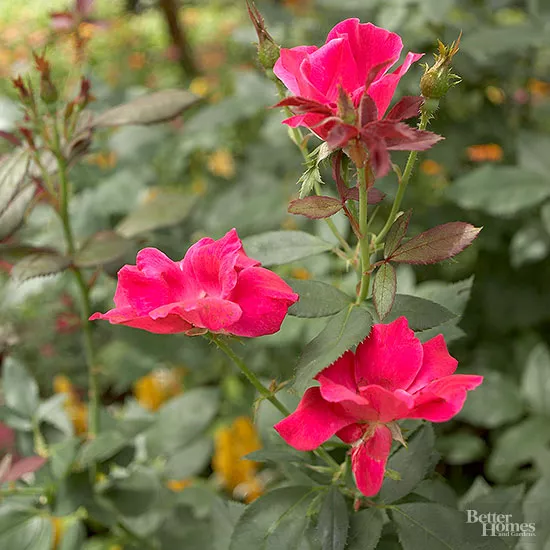
Most ornamental roses look best when deadheaded regularly, but this treatment is rarely needed for wild roses, also known as species roses. Wild roses usually shed their petals immediately after flowering, and if you leave the old blooms as they are, they produce rose hips that can be harvested for jam-making and teas.
Growing Conditions: Full sun to part shade in almost any soil
Size: 4–7 feet tall and wide
Zones: 3-10